Trauma Healing App: How to Choose One That Is Safe and Useful
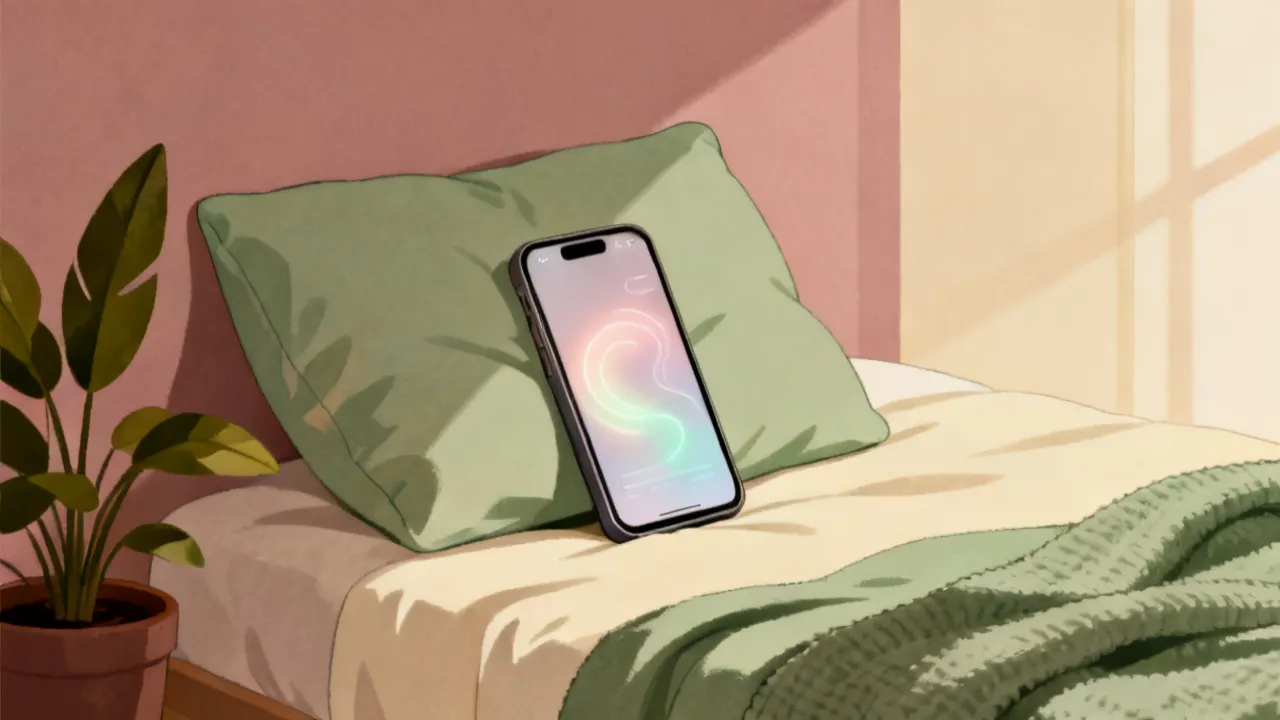
It is 11:40 p.m. and something has stirred. An argument from the afternoon, a memory that surfaced in the shower, a heaviness you cannot explain. A therapist is not available until Thursday. A friend is asleep. So you open your phone and type "trauma healing app." What you find next matters more than most app searches, because this is not about productivity or recipes. It is about your nervous system.
This guide tells you what a good trauma healing app should do, what to avoid and how Brightwind fits.
What an app can and cannot do
An app can teach regulation skills, guide journaling, offer daily structure, give you language for patterns and support you between sessions. It cannot diagnose you, treat a condition, provide crisis care or replace a therapist who knows your story. Any tool that claims otherwise should make you wary.
Think of it as a gym for the skills trauma work relies on: noticing your body, calming it, understanding your patterns and treating yourself with care.
Seven things a good app includes
A starting assessment
A short test that identifies your pattern, whether it is anxious attachment, hypervigilance, dissociation or emotional dysregulation, so the plan does not treat everyone the same. Brightwind's test takes about two minutes. Our guide to trauma type quizzes explains the patterns.
A personalized plan
Content in a sensible order, matching your answers and pace.
Regulation and somatic exercises
Breathing, grounding, orienting and gentle movement. These come first because insight works better in a calm body.
Journaling
Prompts that help you put experience into words. See journal prompts for inner child healing.
Inner child and attachment work
Practices for turning toward the younger parts of yourself and for building secure patterns in relationships. Read about inner child apps.
Support in the moment
An AI coach to talk through a hard moment, suggest a grounding step and help you plan what to do next. It should be clear about being a tool, not a clinician.
Honest limits and safety information
Clear statements that the app is not therapy, plus visible crisis resources. In the US that includes calling or texting 988.
Red flags
- Promises of a cure or rapid healing.
- Language like "diagnose your trauma."
- Pressure to relive events in detail with no preparation.
- No mention of professional help.
- Shaming language or a streak system that punishes rest.
- Unclear billing or hidden cancellation steps.
- Requests for more personal data than the app needs.
How to try an app safely
- Set a gentle schedule. Ten minutes a day.
- Pick a safe place. Somewhere you can pause.
- Skip anything that feels too much. You can come back.
- Notice your body. Tight jaw, held breath? Pause.
- Plan the aftercare. A walk, tea, a call.
- Tell someone. A friend or therapist who knows you are doing this.
What progress looks like
It is subtle. A slightly shorter recovery after an argument. Noticing the old reaction half a second earlier. Resting without as much guilt. Sleeping a little better. Treat these as the real measures. Healing does not look like a fireworks display; it looks like more choice.
Who an app suits
People who want structure and privacy, who are curious about their patterns, who are waiting for therapy or who are in therapy and want daily practice. It may not suit someone in acute crisis, someone with a history of severe trauma who has not worked with a professional or someone who needs medical care. If that is you, please start with a licensed provider.
How Brightwind works
The two-minute test identifies your likely trauma type and builds a personalized plan: inner child work, attachment practices, somatic and regulation exercises, journaling and an AI coach. It is a self-help and wellness tool and does not diagnose, treat or provide therapy. A 7-day trial lets you try the plan before deciding.
Questions to ask before you commit
Does it tell me what it is not? Does it let me go at my own pace? Do I know what happens to my data? Can I cancel easily? Does it point to professional help? If the answers are yes, you are looking at a responsible tool.
One week to test an app
Day one, take the test. Days two to four, do a ten-minute practice. Day five, write about what you noticed. Day six, rest. Day seven, decide: did it help me understand myself and feel steadier? If yes, continue. If not, try something else, and consider talking to a professional.
You deserve support that respects your pace. Choose tools that treat you as capable, and keep real people in your corner too.
Privacy and data
Because the content is personal, read how an app handles your data before you answer a single question. Look for plain language about what is stored, whether it is sold or shared and how you can delete your account. Be cautious about apps that require access to contacts, location or photos for no clear reason. You can answer a test with a nickname and a general age range. A responsible product asks only for what it needs and tells you why. If the privacy page is vague, treat that as an answer.
A note on safety and limits
Brightwind is a self-help and wellness tool for self-understanding. It does not diagnose any condition, it is not therapy and it does not treat or cure anything. If your past still hurts a lot, if you are struggling day to day or if you feel unsafe, a licensed therapist can offer what no app can. If you are in crisis or thinking about harming yourself, contact local emergency services or, in the US, call or text 988 right now.
Try the 2-minute test
If you want a starting point that is about you rather than about people in general, the Brightwind test takes about two minutes. It points to your likely trauma type and builds a personalized plan: inner child work, attachment practices, somatic and regulation exercises, journaling and an AI coach for hard moments. There is a 7-day trial, so you can see whether the approach feels right before you decide anything.